Chapter 5: Narration

Prose Fiction by Ignasi Ribó

Extended Academic Summary & Visual Guide

What is Narration?

Narration is the communicative act between the narrator and the narratee. It defines how the story is told, including point of view, access to information, and authorial distance.
  • Story: What happens
  • Discourse: How it is told
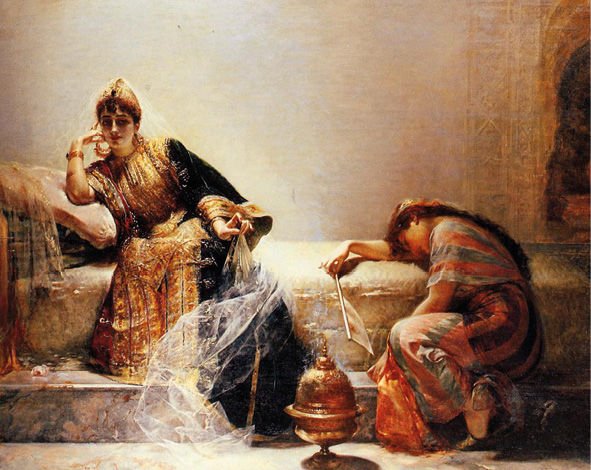
Scheherazade

Embedded Narratives

Stories within stories — framing devices can layer narrative levels and influence perception.
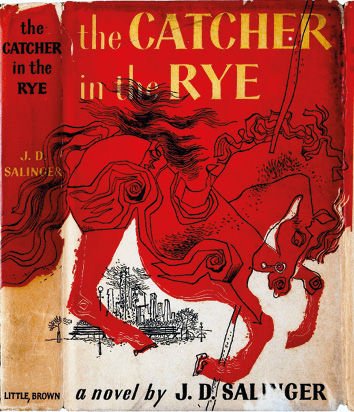
Figure 5.1 – Scheherazade: The Frame Story as Narrative Strategy

Narrator Types

Ribó distinguishes between narrator and author:
  • First-person: Subjective, limited view (e.g., Holden Caulfield)
  • Third-person: Omniscient, limited, or objective
  • Second-person: Rare, directly involves the reader
Figure 5.2 – Holden Caulfield: First-person Narrator
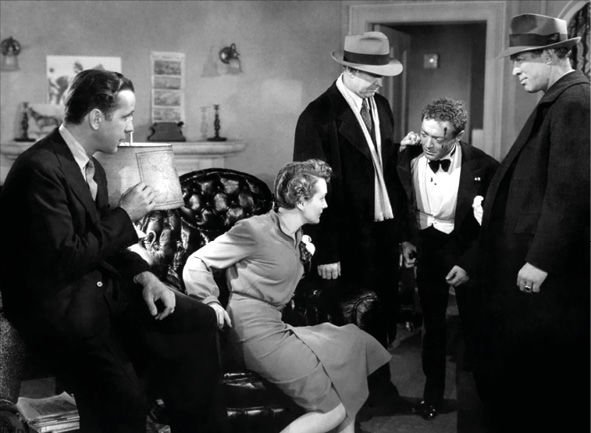
The Maltese Falcon

Focalisation

Focalisation refers to the perspective through which narrative events are perceived.
  • Internal: Access to character’s thoughts
  • External: Only visible actions
  • Zero: Omniscient access
Figure 5.3 – The Maltese Falcon: External (Camera-eye) Focalisation
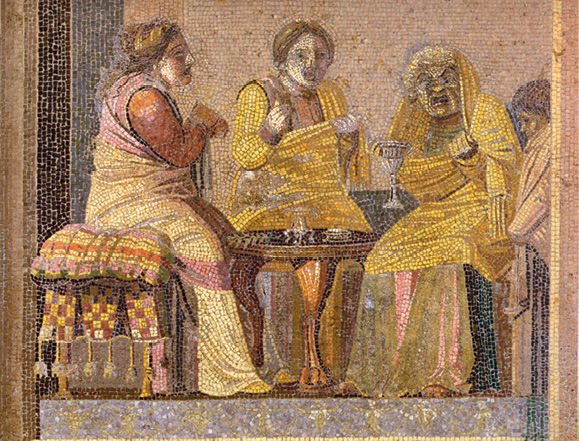
Pompeii theatre mosaic

Telling vs Showing

Narrative mode influences pacing and immersion:
  • Telling: Summary, exposition, authorial voice
  • Showing: Scene, dialogue, action (mimetic)
Figure 5.4 – Showing Through Scene: Roman Mosaic (Pompeii)
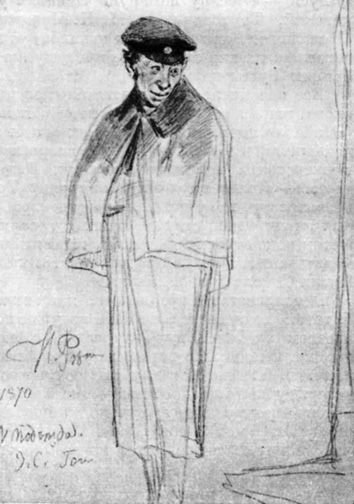
Diary of a Madman illustration

Commentary and Irony

Narrators may provide:

  • Explicit commentary: Direct opinion or judgment
  • Implicit commentary: Through tone, irony, unreliable narration
Figure 5.5 – Gogol’s “Diary of a Madman”: Unreliable Narration

Advanced Topics

  • Metanarration: Narrator reflects on narration itself
  • Multiple narrators: Conflict, contrast, or complementarity
  • Authorial distance: Degree of detachment between narrator and implied author

Literary Examples

  • Wuthering Heights: Multiple nested narrators
  • The Sound and the Fury: Stream of consciousness, shifting focalisation
  • Never Let Me Go: Retrospective, unreliable first-person

Critical Questions

  • How does narration shape a reader’s trust?
  • Can a narrator be neutral? Should they?
  • How do focalisation and narration interact with genre?

Conclusion

Narration determines how stories are shaped, told, and interpreted. Understanding narrator types, focalisation, and commentary equips readers and writers alike to better navigate meaning and literary technique.