What is Characterisation?
Chapter 4 argues that characters are entities in the story with agency, usually individuated, usually human or human‑like (though there are exceptions, e.g. animals or even abstractions).
Summarizing the main ideas & illustrations
Chapter 4 argues that characters are entities in the story with agency, usually individuated, usually human or human‑like (though there are exceptions, e.g. animals or even abstractions).
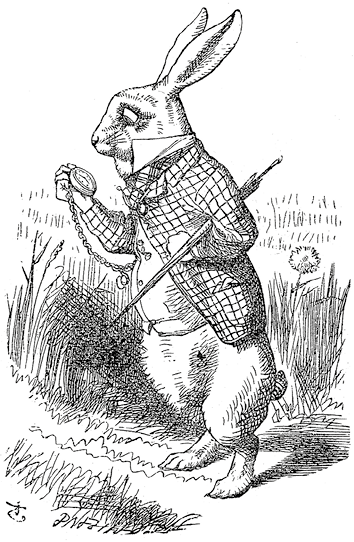
Fig. 4.1 “Alice in Wonderland” illustration by John Tenniel, public domain – used to show non‑human / human‑like characters.
The chapter distinguishes between well‑individuated characters (round, complex, dynamic) and those more typological or universal in scope.
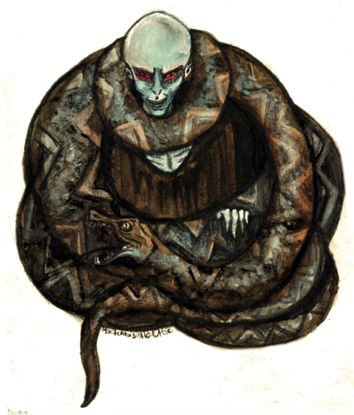
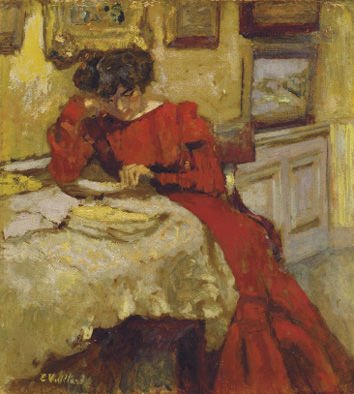
Fig. 4.2 Fan‑art: Lord Voldemort & Nagini by Mademoiselle Ortie, CC‑BY‑4.0 – shows a villain type / stock character.
Fig. 4.3 “Madame Hessel en robe rouge lisant” (Vuillard, public domain) – shows more individuated character, psychological/social nuance.
Universal characters represent broader human attitudes; contrast between idealism/materialism as in Don Quixote & Sancho Panza (they embody conflicting worldviews).
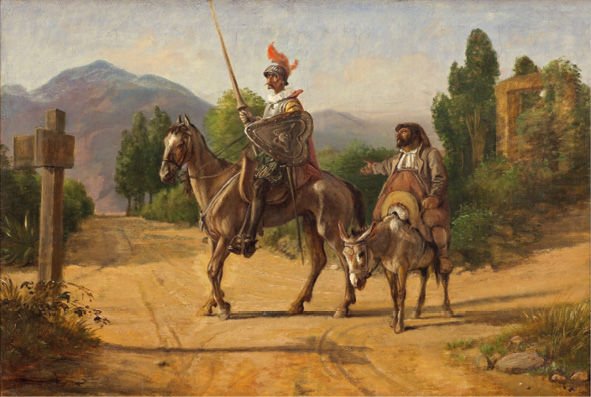
Fig. 4.4 “Don Quixote and Sancho Panza at a crossroad” by Wilhelm Marstrand, public domain – illustrates universal / contrast in character types.
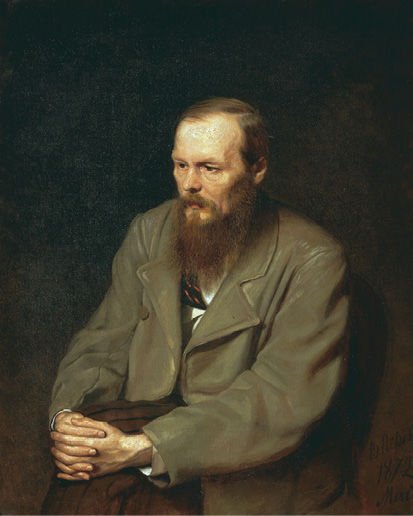
Fig. 4.7 Portrait of Fyodor Dostoevsky by Vasily Petrov (1872), public domain.
Dialogue is a major mode of direct characterisation; it evidences different voices, social backgrounds, perspectives. The polyphonic dimension: novels often combine multiple consciousnesses (Bakhtin)
Characters may or may not change over the course of the narrative. Static characters remain consistent; dynamic ones evolve (morally, psychologically, in roles). The chapter examines this distinction.
Fig.4.3 Vuillard Reading.
Direct: narrator explicitly states traits; Indirect: traits revealed by behaviour, speech, actions, dialogue, etc. Dialogue is a form of direct representation with speech tags, but much characterisation is indirect.
Using Alice (Fig. 4.1) again to note how anthropomorphic behaviour serves indirect characterisation.