Prose Fiction

Chapter 3: Setting

Summary and Visual Overview

Ignasi Ribó, 2019
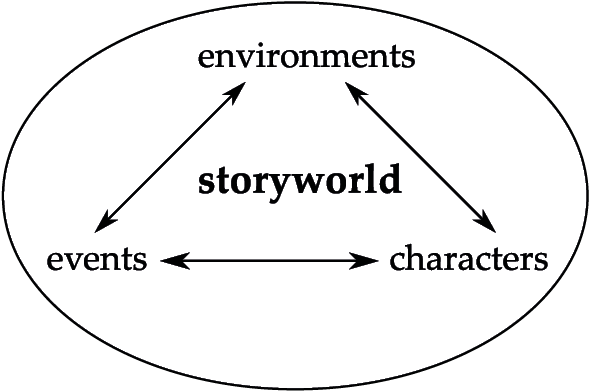
Fig 3.1 Storyworld existents

Storyworld Existents

  • Three types: Events, Characters, Environments
  • Setting = environment in which characters act and events unfold
  • Settings are not passive; they interact with plot and character

Atmosphere & Alienation

Kafka’s The Metamorphosis uses oppressive interior settings to reflect alienation.
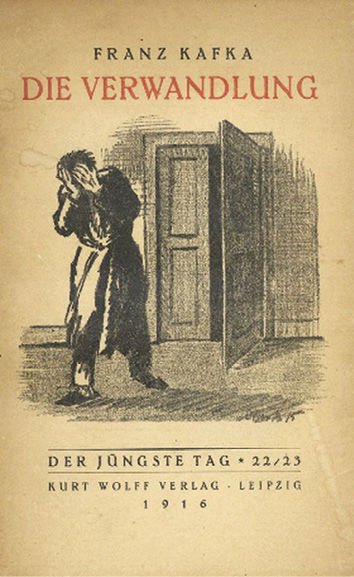
  • Claustrophobic rooms mirror Gregor’s psychological entrapment
  • Setting supports emotional and symbolic themes
Fig 3.2 The Metamorphosis cover

Topography vs. Atmosphere

  • Topography: physical layout — spaces, objects, geography
  • Atmosphere: emotional quality — mood, tone, symbolic weight
  • Settings can evolve: shift atmosphere, shape perception
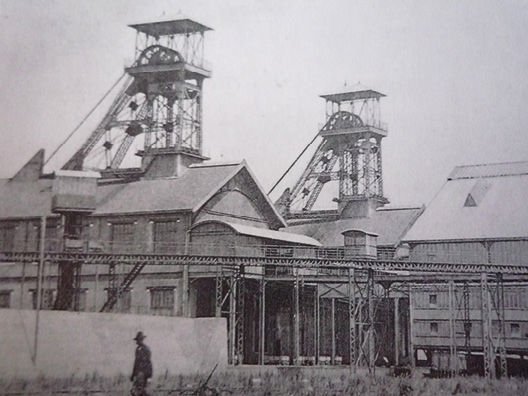
Fig 3.4 Pit No. 10 coal mine

Setting as Historical Context

Émile Zola’s Germinal explores settings shaped by labor and class struggle:
  • Coal mine: oppressive, dangerous, symbolic of industrial dehumanization
  • Physical realism enhances thematic weight

Four Functions of Setting

  • Irrelevant: background only
  • Functional: enables action (e.g., a road for a chase)
  • Mental: reflects internal character state
  • Symbolic: setting has metaphorical meaning (e.g., wasteland = inner decay)

Evoking Place through Description

  • Detail, texture, and light create mood and “visual feel”
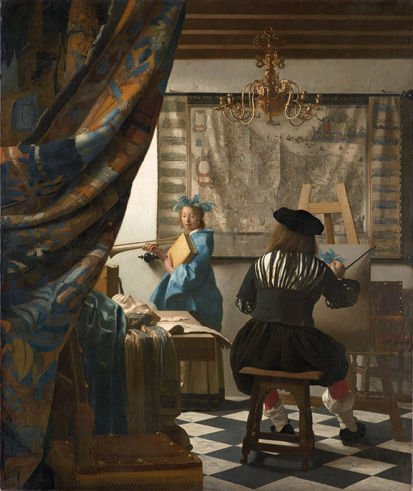
  • Vermeer’s interior: intimacy, calm, containment
  • Writers evoke similar effects through sensory language
Fig 3.6 Vermeer painting

Imaginary Worlds

  • Fantasy/Sci-fi rely heavily on constructed settings
  • World-building = geography, culture, laws, mythos
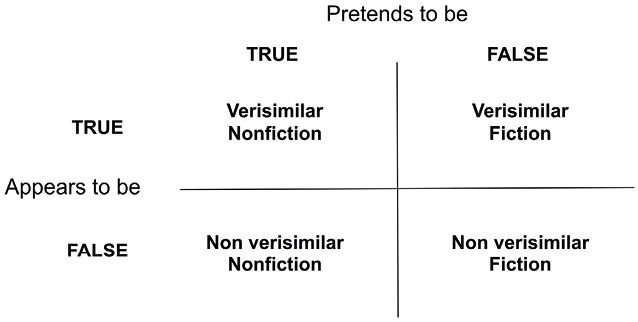
  • Settings must still follow internal logic → verisimilitude
Fig 3.8 Verisimilitude schema

Verisimilitude

Fiction must feel “real” in its own terms

  • Consistency of setting details sustains immersion
  • Even absurd or speculative stories need coherence
  • Genres use different norms (realist, fantasy, metafiction, etc.)

Key Takeaways

  • Setting is dynamic — not passive background
  • It interacts with characters, events, and readers’ emotions
  • Different functions shape how we experience the narrative

Discussion

What’s a setting you’ll never forget?

  • What made it effective — detail, mood, symbolism?
  • Would the story work in a different setting?