Chapter 2: Plot

Prose Fiction: An Introduction to the Semiotics of Narrative

Ignasi Ribó

Key Concepts: Thread, Emplotment, Structure, Suspense & Surprise

Narrative Thread

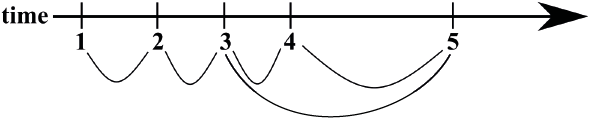
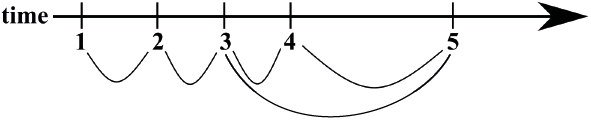
Plot is the organizing thread of events in a narrative. Events are connected by time, by cause, or both. Ribó distinguishes between events (what happens) and how they are arranged (plot).

Fig 2.2
Fig 2.3

Time + Cause

When events are not just in temporal sequence but also tied by cause and effect. Most plots use both kinds of connection to produce meaningful trajectories.

Emplotment: How the story is ordered

“Emplotment” refers to the operations by which a sequence of events (the story) is arranged into a plot. The order may follow chronology, or be shuffled for effect (flashbacks, foreshadowing, etc.).

Fig 2.4

Beginnings, Middles, and Ends

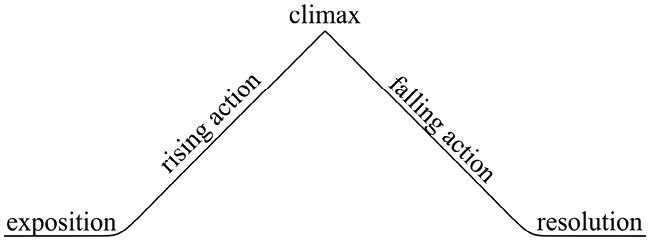
Ribó emphasizes that plots typically have a structure: a beginning (set up of conflict or question), a middle (development, complications), and an end (resolution). These parts shape pacing and expectation.

Fig 2.1

Conflict & Resolution

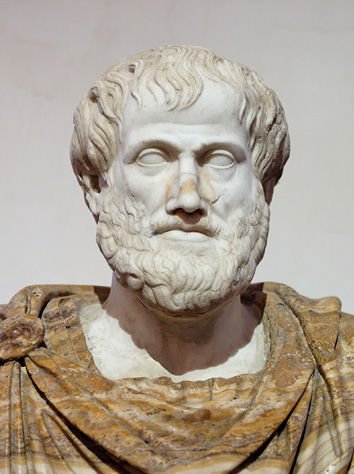
Conflict is central: it’s what propels the narrative forward. Without tension or opposing forces, resolution has little impact. Ribó draws on classical theory (e.g. Aristotle) to show how conflict + resolution form essential parts of plot.
Suspense & Surprise

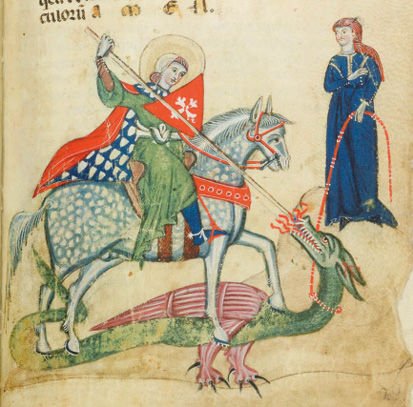
Ribó distinguishes between suspense (reader’s anticipation of what will happen) vs surprise (unexpected event or twist). Both are tools to shape reader engagement. Choices in emplotment affect which one dominates.

Fig 2.5

Illustrative Examples

Fig 2.6

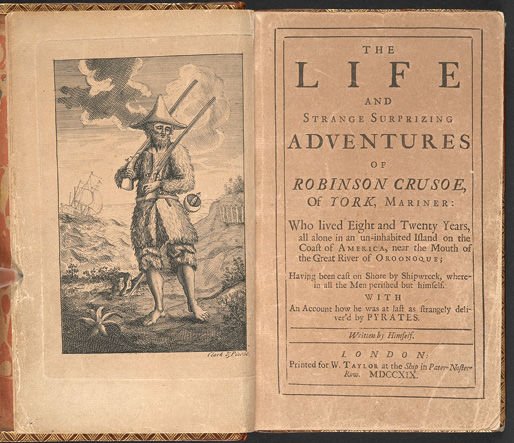
Robinson Crusoe — an example of survival narrative, clear cause‐effect chaining, strong resolution.

Fig 2.7

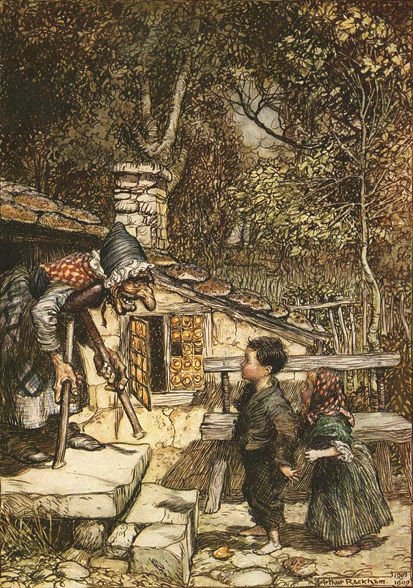
Hansel & Gretel — folktale tradition, surprise, moral conflict, resolution.

Fig 2.9

Freytag’s Pyramid

A structural model: exposition → rising action → climax → falling action → denouement. Helps map how plot builds tension and resolves. Ribó situates this among other diagrammatic tools.

Why Plot Matters

  • Shapes reader expectation & engagement
  • Helps create meaning by ordering events, revealing causation
  • Allows manipulation of time for artistic effect (flashbacks, foreshadowing, non‐linear structure)
  • Conflict, suspense and surprise produce emotional and intellectual impact

Summary: Key Takeaways

  1. Plot is more than just what happens; it is how events are connected by time & cause.
  2. Emplotment gives shape: order, beginnings/middles/ends.
  3. Conflict & resolution are essential for narrative movement.
  4. Suspense and surprise are distinct tools activated by plot structure.
  5. Models like Freytag’s Pyramid help us understand classic plot shapes, but modern narratives may deviate.

Looking Ahead

In Chapter 3, setting: the narrative world, landscapes, atmosphere, description & verisimilitude.

Questions for discussion:

  • How does the ordering of events in a story you know (novel or film) differ from its chronological order? What effect does that produce?
  • Which type of plot (linear, non‐linear, episodic) do you prefer and why?