Prose Fiction
Chapter 1: Introduction
by Ignasi Ribó
Summary presentation by David Gerber
What Is Narrative?
- A semiotic representation of a sequence of events
- Events are connected by time and cause
- Mediums can be oral, written, visual, etc.

Genres of Narrative
- Myths, legends, epics, novels, short stories, fables
- Genres evolve with culture, media, and time
- Each genre has conventions that guide expectations

What is Prose Fiction?
- Includes novels and short stories
- Written in prose (not verse)
- Primarily a product of modern Western culture
- Focuses on individual characters, inner lives, realism
Story vs. Discourse
Story: What is told — events, characters, setting
Discourse: How it is told — structure, language, POV
- Same story → different discourses = different narratives
- Essential for literary analysis
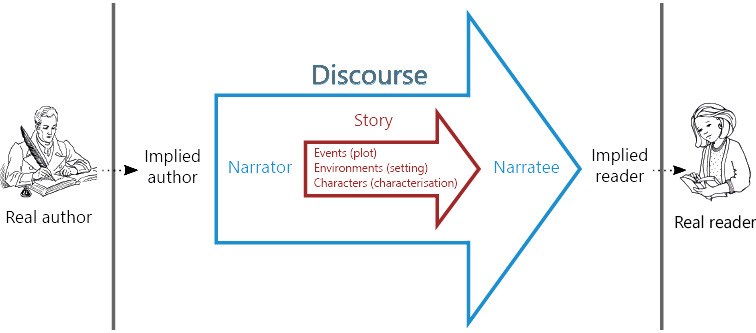
Real vs. Implied Author/Reader
- Real author: actual person who wrote the work
- Implied author: constructed by the text’s tone, style
- Implied reader: ideal reader envisioned by the text
- Real reader: the person actually reading the work
Beyond Literature
- Comics, films, games, oral stories = valid narrative forms
- Transmedia storytelling: narratives across multiple platforms
- Still rely on narrative building blocks: story/discourse
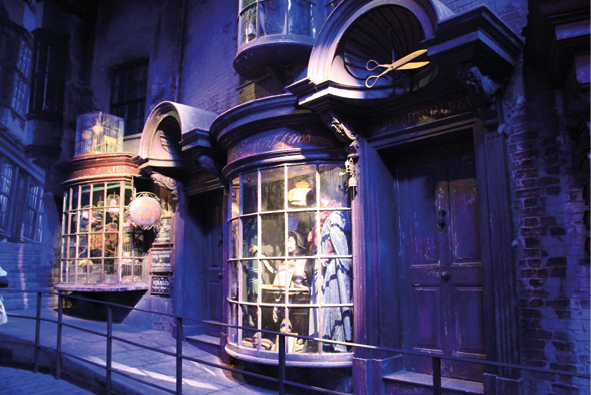
The Evolution of Media
- From oral epics → manuscript → printed novel → digital fiction
- Each form reshapes how stories are told and experienced
- Interactivity and immersion (e.g. video games) are new frontiers
Summary
- Narrative is everywhere: it shapes how we understand the world
- Prose fiction is a literary form with deep cultural roots
- Understanding story vs. discourse is crucial
- Authors and readers operate on both real and implied levels
Next Chapter: Plot and Causality