The Thread of Narrative
Plot is the organizing thread of events in a narrative. Events are connected by time, by cause, or both. Plot is distinct from the raw sequence of events — it is the crafted narrative arc.
Key Concepts: Thread, Emplotment, Structure, Suspense & Surprise
Plot is the organizing thread of events in a narrative. Events are connected by time, by cause, or both. Plot is distinct from the raw sequence of events — it is the crafted narrative arc.

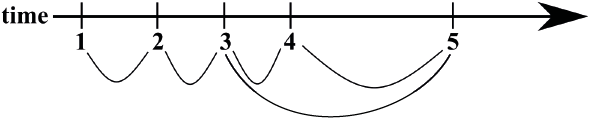
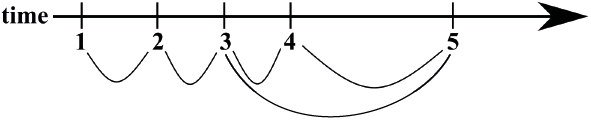
Most effective narratives link events by both chronology and causality. One event triggers another, creating a logical and emotionally satisfying flow of action.
“Emplotment” is the narrative shaping of events. The order of presentation may differ from chronological sequence, creating suspense, surprise, or deeper meaning.
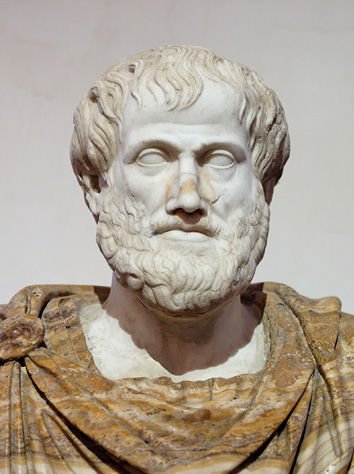
Following Aristotelian tradition, plots have a beginning (introduction), middle (conflict), and end (resolution). This structure orients readers and provides closure.
Conflict drives plot. It may be internal or external, but it creates stakes and narrative tension that resolve through action or transformation.
Suspense arises when the audience anticipates future events. Surprise breaks those expectations. Emplotment controls how these emotions are triggered in readers.
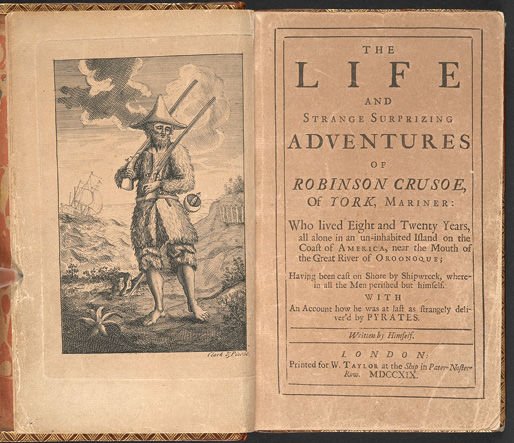
Robinson Crusoe — a classic survival narrative with strong causal logic and resolution.
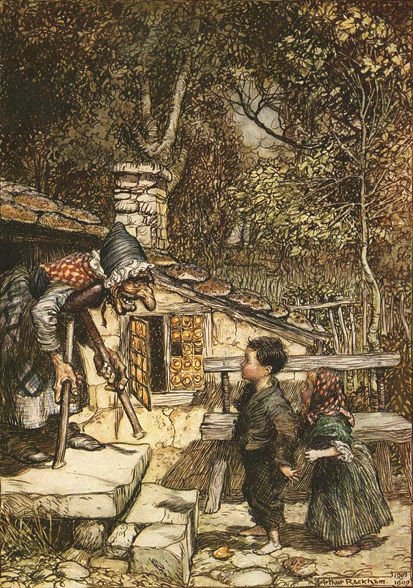
Hansel & Gretel — uses surprise, conflict, and moral resolution typical of folktales.
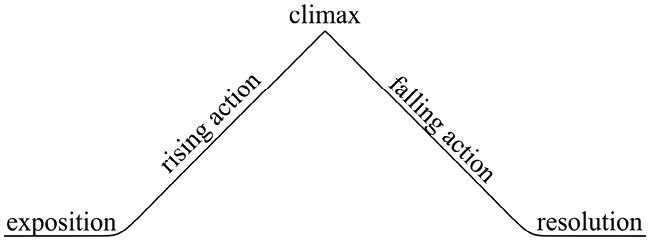
Freytag's model maps narrative progression: Exposition → Rising Action → Climax → Falling Action → Denouement. It's especially useful for analyzing classical plot structures.
Next: Chapter 3 — Setting
How space, atmosphere, and world-building shape narrative meaning